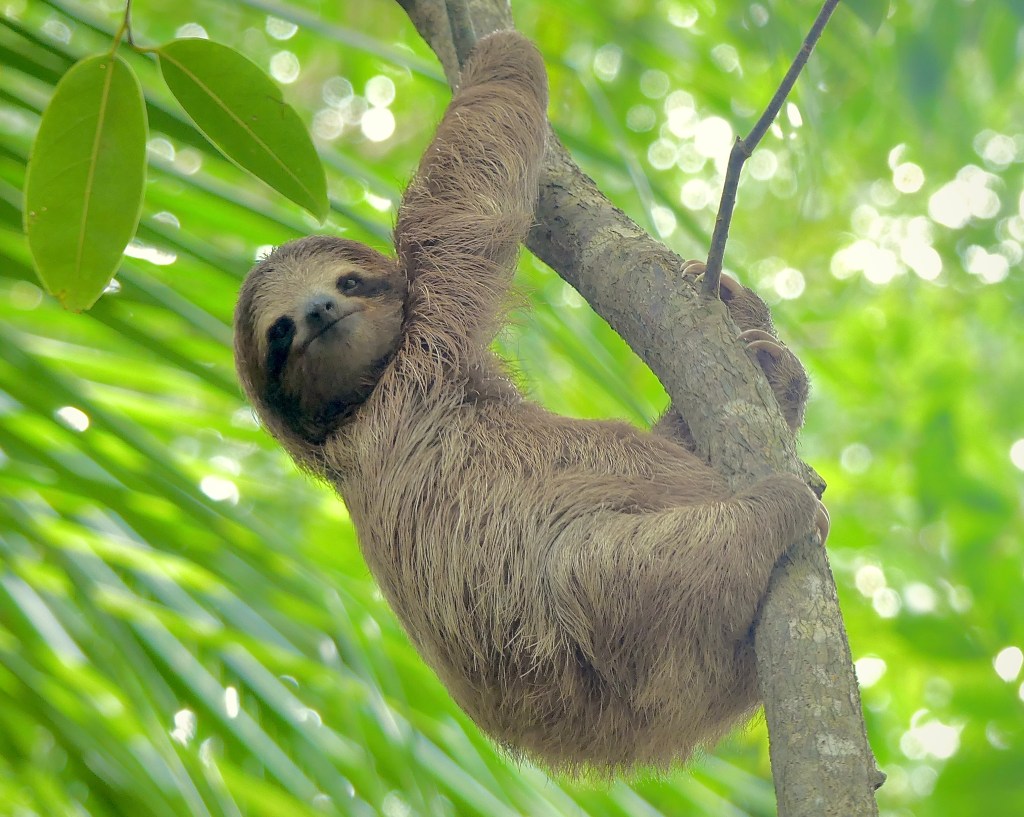
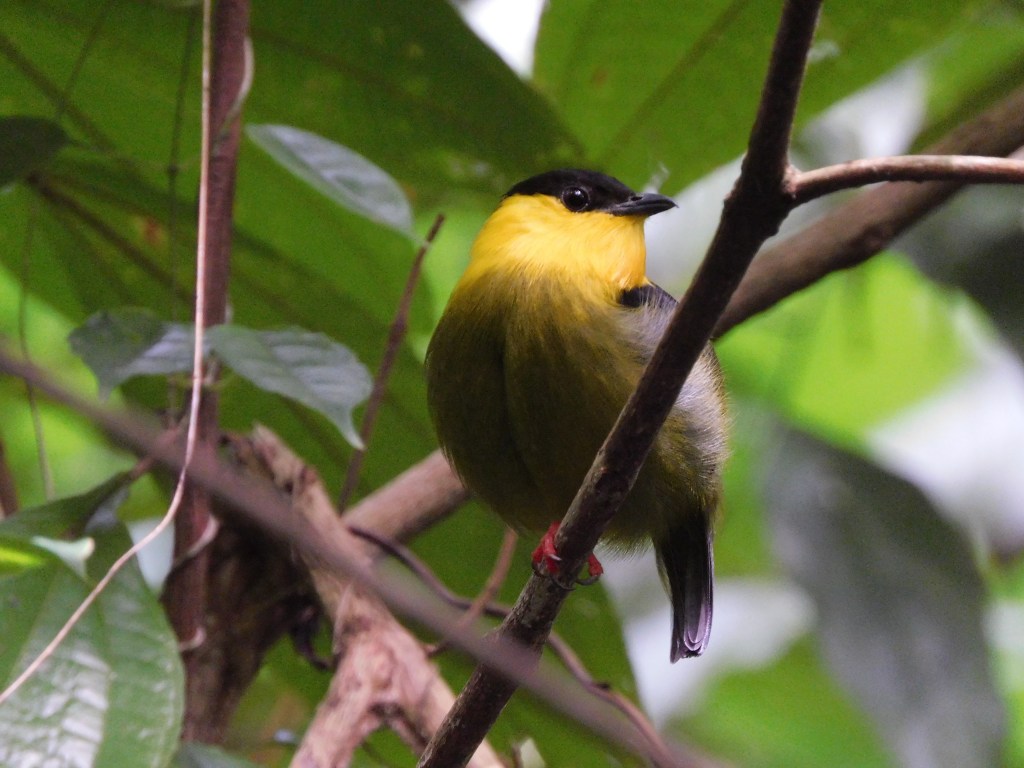

This past week I had a rainforest adventure, a reconnaissance mission expedition with one of my most beloved indigenous Ngäbe students, Israel Machado. He was helping me check out possible trail options for future ecotours.
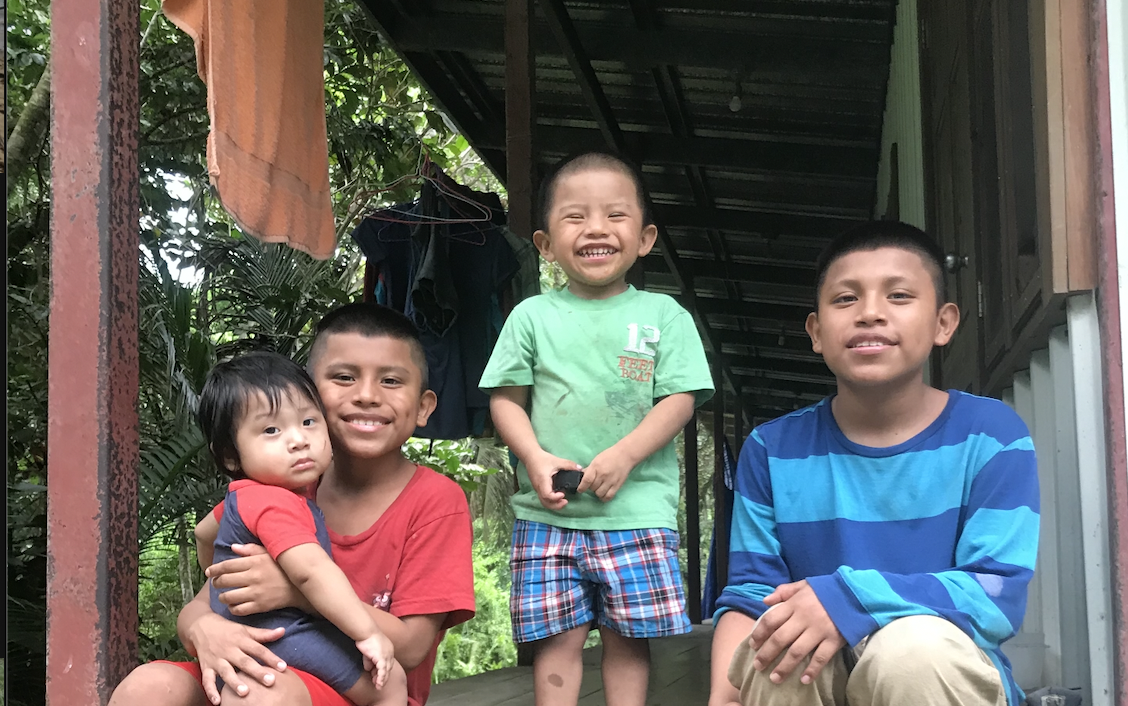
Isra is one of four brothers mothered by my Tranquilo Bay coworker Ofelina. I’ve watched these boys grow up since 2018 and have fallen ever more in love with her sweet little boys growing up and playing in the beautiful refuge that is Tranquilo Bay located on the far end of Bastimentos. As a single mother of four, I am humbled by and in constant awe of Ofelina’s endless stamina, fantastic humor and a motherly kindness that I adore. I don’t know a single mom that works harder than Ofelina and I’m proud to be her friend, I feel honored to consider her and those four little boys like family.


During COVID lockdown (..and just a quick shoutout for the honor of staying at Tranquilo Bay for a large part of the pandemic!), I took the opportunity to take on Ofelina’s two oldest, Israel and Bladi as my first Ngäbe students and every weekday we would practice English. Those boys quickly had me blown away with how fast they learned, little sponges that I simply couldn’t help but grow to love.
Israel, Bladi and I would have class wherever the wind blew us, down on the dock overlooking the bay, up at the lodge overlooking the forest, the deck of whichever cabin we cared for, we even had class up on the 66ft birding tower! I felt so honored to spend this time with these boys and to do what I could to help supplement the country’s joke of a remote education for its indigenous; with packets sent from their schools that even the dismayed Ngäbe parents around the archipelago couldn’t help their children with. As if someone typed “schoolwork” into Google and pressed print. Completely out of their education range, completely useless and completely unacceptable.
Due to COVID, Bocas del Toro’s local indigenous children lost out on nearly two years of school; because even when they the world opened back up, the state of the school bathrooms and classrooms was in such dismal state, not to mention there was no water such that they had to wait even longer to even get to start class again. It was just abhorrent and it meant so much to me and motivated me even more to help these little boys however I could.

The indigenous Ngäbe of Bocas del Toro is a rich culture that first inhabited the Bocas del Toro province long before the Spanish arrived, such that the Ngäbe are the true original natives of these tropical lands. They live in dispersed communities peppered throughout the archipelago and on mainland coastal regions of Bocas where they lived a subsistence livelihood, fishing and growing crops scattered throughout the forest in a manner of working *with* the forest rather than cutting it all down.

When the Spanish conquistadors arrived over the 16th and 17th century, the natives were forcefully pushed out of the coastal lowlands by a Spanish militia so the foreigners could claim and occupy these fertile, native lands. Many of the indigenous natives were wiped out by old world diseases. Those left were subjugated to the steep highlands, made for harder living on the Ngäbe people who struggled to grow crops on the steep, rocky, nutrient poor soil of the Caribbean slope which leads down the Talamanca mountain range and to the Caribbean Sea.

In 1997 the Ngäbe were “granted” a semi-autonomous area known as the Ngäbe Comarca of mainland Bocas by the Panamanian government. For those Ngäbe living within the Comarca, they are a self-governing, self-policing entity in which anyone non-Ngäbe cannot come and buy a house or land The Ngäbe were are granted subsidized fuel as well as essential foods such as beans and rice. Ngäbe who returned to the island archipelago became a strong fishing culture but lost their Comarca rights since it didn’t span out across Bocas islands. But food was plentiful and crops were easy to grow and many moved theirn families to the islands so their children could go to school and get paying jobs.

Unfortunately schools throughout the Ngäbe comarca only reach sixth grade. To go on to high school they have very few options, especially those Ngäbe who returned to the archipelago where there is only one high school in the entire archipelago and it’s on the main island, Isla Colón. Commuting by cayuco (the traditional indigenous dugout canoe) for many families is completely out of the question as gas is prohibitively expensive and it’s unrealistic that this would even be an option as many communities are between a half hour to an hour or more a boat ride away (rain or shine) from Bocastown where there is the only public high school on the archipelago.

By giving kids like Israel and his brothers a chance to practice and learn English is part of what is my wider aim is for Bocas Biodiversity, along with helping provide skills in the practice of tour guiding and more particularly *ecotour* guiding. This is my passion and determination is to “put myself out of a job” because the Ngäbe are the true guides, more familiar in these lands that they’ve occupied for generations than any gringo could be! Not to mention what their key strength is: spotting birds and wildlife. I love taking along students on my tours and rainforest and sea explorations because invariably they’ll spot the most obscured animals and birds because they’ve had to for centuries before they were relegated into the shadows as cooks, cleaning staff, and boat drivers that are hardly acknowledged.

Overlooked by many a tourist to Bocas has led me to ask visitors to the islands out of curiousity, “Have you met a Ngäbe?” Often to only receive a blank look. That’s when I take the opportunity to enlighten them..no one should leave this province without knowing what a Ngäbe is, the true indigenous of these beautiful lands that these natives know like the back of their hand and have worked with nature for hundreds of years without destroying it like *some* cultures I know..and being a guide from a whole different land has led me to want to pass on the baton to the youth of Bocas to be true *ecoguides*.
My time guiding in Bocas has unexpectedly been even more of a delight because of my beloved indigenous Ngäbe friends and family that I’ve come to love since I arrived here back in the fall of 2018. My mission as a birding and naturalist ecoguide is to assist young Ngäbe in becoming co-guides that can accompany me on my tours especially and share in the learning, interacting and knowledge such that my own guests will benefit by coming to learn about this rich, beautiful native culture that I’ve so come to adore The Ngäbe of Bocas are such a great part of what makes Bocas del Toro the diverse, beautiful land that it is and that I love. And I want everyone to know! Thanks for reading 🙂

~@stacebird
Check out this video from back in 2020 that I made about the Ngäbe of Tranquilo Bay!
Leave a Reply